
Condé Nast's business model focuses on digital transformation, diversified revenue streams, and leveraging premium content across various platforms to adapt to the evolving media landscape.
Roger Lynch, Condé Nast’s Global CEO has been driving change in the group’s culture since 2019 in order to put it on a sustainable path. For, despite accelerated growth in recent years, Lynch believed there was a need to position the group for the future by investing in technology, streamlining its processes, and diversifying revenue. This thinking was behind the recent restructuring.
Last October, Javier Esteban, Managing Director of Condé Nast LATAM, detailed the transformation process to participants of WAN-IFRA’s LATAM media leaders summit in Bogotá and explained how the group has managed to maximise its revenues in recent years.
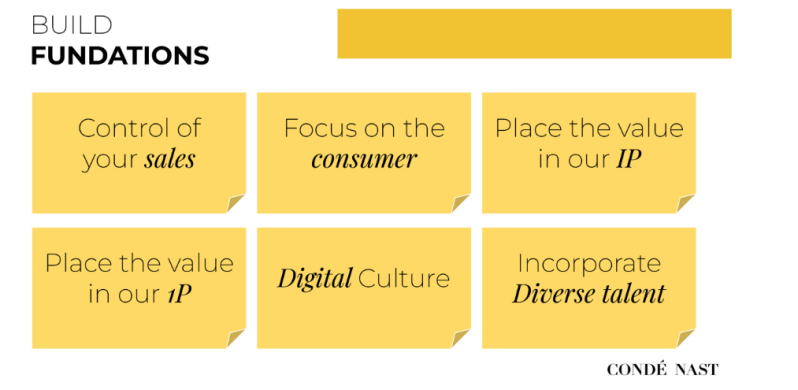
Esteban discussed six pillars – based on Lynch’s philosophy – that other publishers could consider to thrive:
week 2:

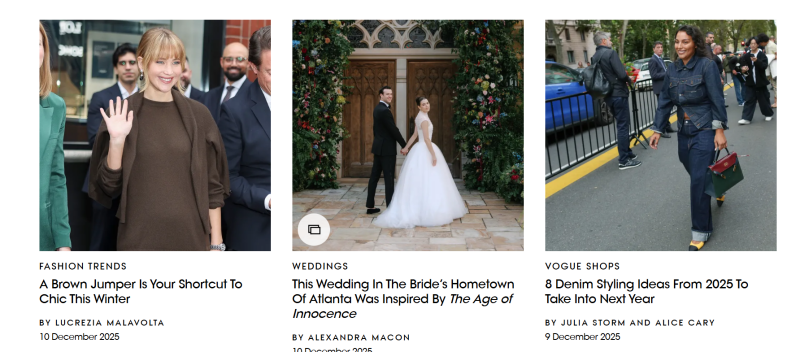
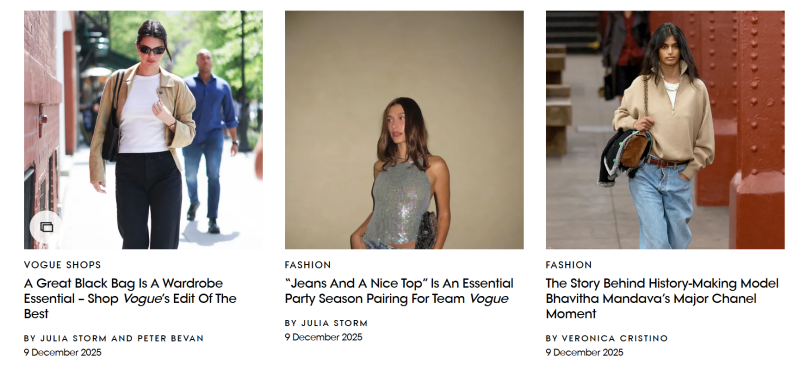
Before it’s in fashion, it’s in Vogue. Starting in 1920, our fashion through the decades projects unfurls like a stylish whirlwind through the times. We start with the whimsical fashion illustrations of Georges Lepape, Benito, and William Bolin and Coco Chanel’s Little Black Dress of the 1920s and move through the arrival of fashion photography and the first-ever colour photographed cover for Vogue in 1932 by Edward Steichen. Next comes Dior’s New Look in 1947, Couture’s Golden Age in the 1950s, the Youthquake of the 1960s, the disco era of the 1970s, 1980s power dressing, the 1990s’ less-is-more minimalism, the paparazzi-inspired dressing of the 2000s, and . 2010s digital fashion age. Each era, broken down by decade, below.
Vogue was established on December 17, 1892, by Arthur Baldwin Turnure in New York city. Originally a weekly newspaper, it targeted the elite society, covering high society, fashion and cultural events. The magazine aimed to reflect the lifestyles of the upper class, emphasizing fashion trends, etiquette and social gatherings
In 1909, Conde Montrose Nast acquired Vogue, marking a pivotal shift in its direction. He transformed it into a women's fashion magazine, focusing more on beauty and style. Under Nast's leadership, Vogue began to publish Bi-weekly and later transitioned to a monthly format in 1973. Nast also initiated the launch of international editions, starting with British Vouge in 1916
similar magazine : cosmopolitan is an American women's fashion magazine very similar to Vouge, it was first published in New York in march 1986. Today cosmopolitan is one of the worlds best selling magazines. Cosmopolitan magazine was officially titled as Hearst's International Combined with Cosmopolitan from 1925 until 1952, but was simply referred to as Cosmopolitan but today it is usually referred to as Cosmo. Cosmopolitan magazine ran a near-nude centrefold of actor Burt Reynolds in April 1972, causing great controversy and attracting much attention.
Week 3:
different shot types
- Close up
- Medium close up
- Profile shots
- Group shots
- Extreme close up
- Full body shots


mood board

week 7:
I believe that anyone could enjoy the magazine ideology and there is a little something for everyone however, these are the demographics of people who will like it best:
Rah girls: made in Chelsea, private school, posh
Fan girl: would enjoy looking at all the celebrity pieces in magazines, enthusiastic, caring
Maker: DIY, cares about the environment, plant enthusiast
Townie: high street fashion, pop chart music
Blinger: showing off their newest clothes and jewellery
senesters: Setting themselves apart by creating new trends by co-opting fashion and music from across the Tribal map and blending it with their own individual attitudes.
creatives: they produce music, promote club nights, start indie brands and create festival stages.
stylers: hold strong on the UK Tribes map – innately cool and stylish, the rising influence of Urban fashion and music have made them a hugely aspirational Tribe for youth today.
trendies: are driven by beautiful things and beautiful people, Trendies love fashion and are always looking for the next big trend
Vloggers:In 2012 Tumblr Kids joined the map – by 2015 Vloggers are one of the most familiar and famous Tribes in the UK. A catch-all Tribe to describe young people that are vlogging, blogging, tweeting and instagramming their lives, attitudes and values online; they aren’t creating culture and new social norms
new casuals: football mad lads with a love of underground club music and understated fashion
draft statement of intent:
For my magazine Ideology I am aiming it towards women in the 16-25 age range, however it will have aspects within that could be suited for anyone in order to widen the audience. Despite Ideology mainly being fashion and lifestyle based there will also be news articles that cover current affairs which would be important to the reader. The magazine will be socially conscious by mainly showing things that would be relevant to the target audience such as fashion week, nightlife, health all of which are not opinion bias therefore avoiding controversy.
I hope to use a mix of informal and formal language in order to create a welcoming and relatable readership, however also maintaining an element of class and education to make it aspirational. I indent to keep a maximalist approach to both the cover and contents within the magazine, I believe this will prevent the reader from losing interest when reading the magazine as well as allowing the cover to be eye catching therefore hopefully resulting in higher popularity.
In addition I am planning to aim towards a middle-class audience, specifically private or ex-private school people. I am taking inspiration for the imagery within my magazine from Vogue as my inspiration, and from brands social media platforms such as Toms Trunks, Bijoux de Mimi and the Chelsea life jacket all in who's customer base is primarily middle class individuals or those who wish to be.
statement of intent
For my magazine Ideology I am aiming it towards women in the 16-25 age range, however it will have aspects within that could be suited for anyone in order to widen the audience. Despite Ideology mainly being fashion and lifestyle based there will also be news articles that cover current affairs which would be important to the reader. The magazine will be socially conscious by mainly showing things that would be relevant to the target audience such as fashion week, nightlife, health all of which are not opinion bias therefore avoiding controversy.
I hope to use a mix of informal and formal language in order to create a welcoming and relatable readership, however also maintaining an element of class and education to make it aspirational. I indent to keep a maximalist approach to both the cover and contents within the magazine, I believe this will prevent the reader from losing interest when reading the magazine as well as allowing the cover to be eye catching therefore hopefully resulting in higher popularity.
In addition I am planning to aim towards a middle-class audience, specifically private or ex-private school people. I am taking inspiration for the imagery within my magazine from Vogue as my inspiration, and from brands social media platforms such as Toms Trunks, Bijoux de Mimi and the Chelsea life jacket all in who's customer base is primarily middle class earners in the ABC1 demographic. I also hope to make the magazine and website look aspirational and appealing to C2DE demographic earners. I believe Ideology I will be relatable and desirable content for this majority as intended.
image plans
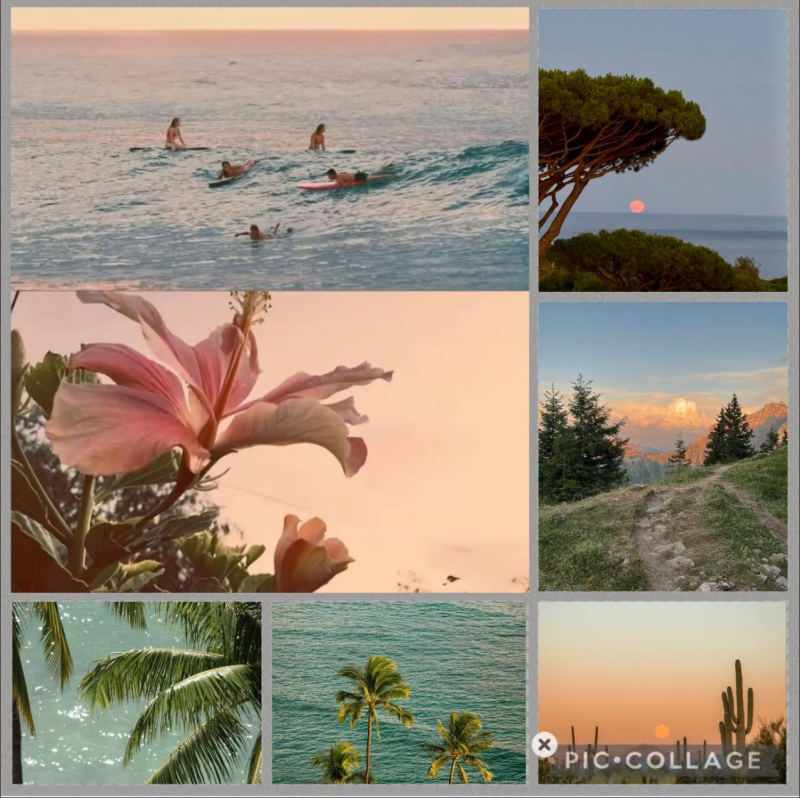
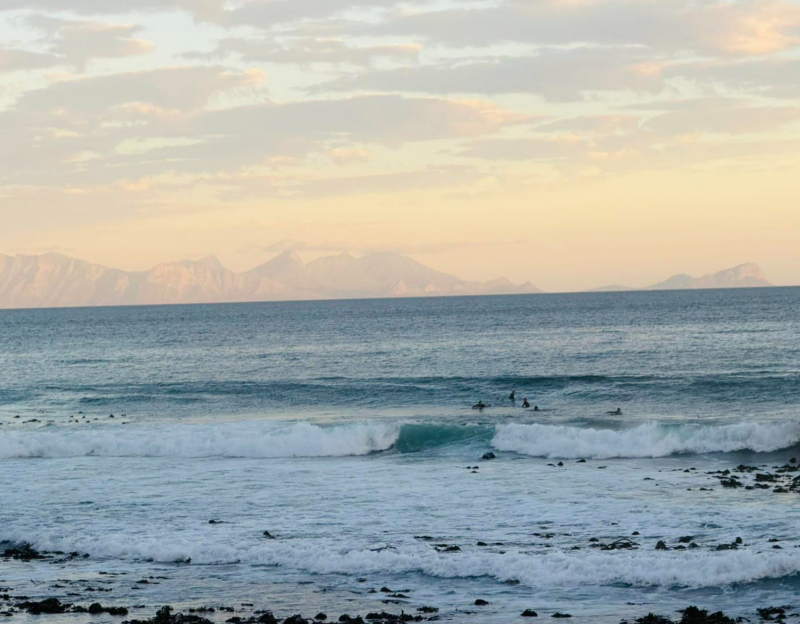
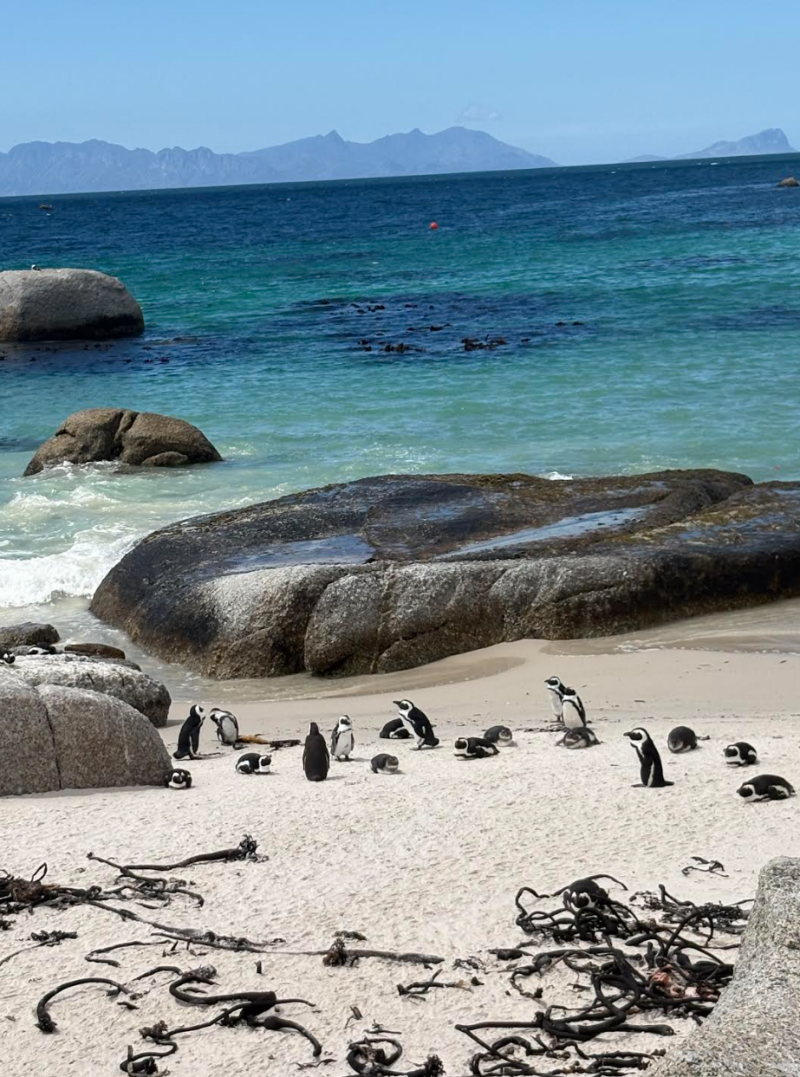
group one: nature
group two: fashion- clothes, colours, jewellery, magazines
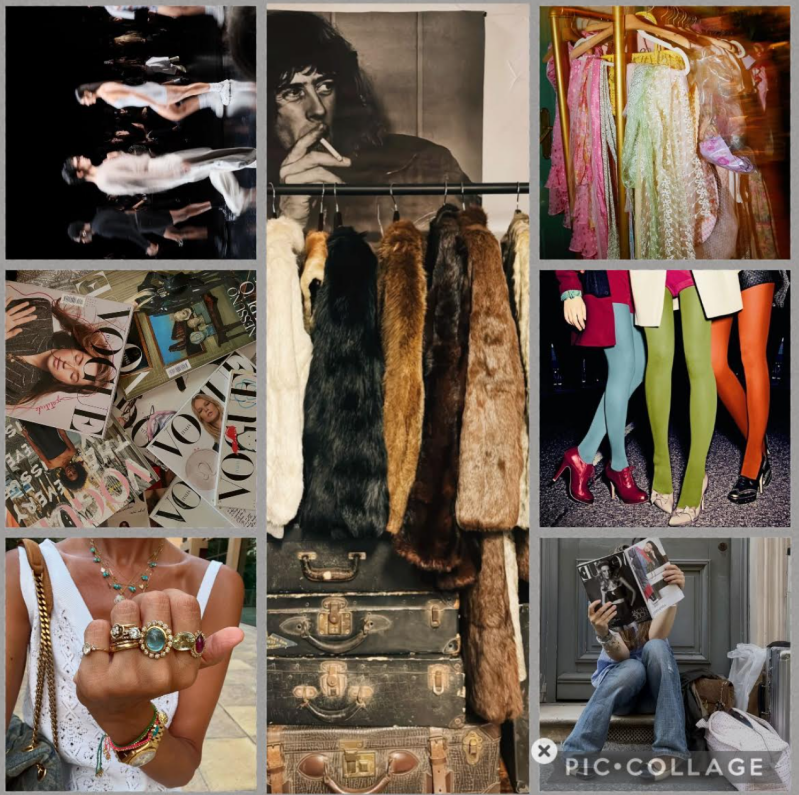
group three: people -modelling with fashion
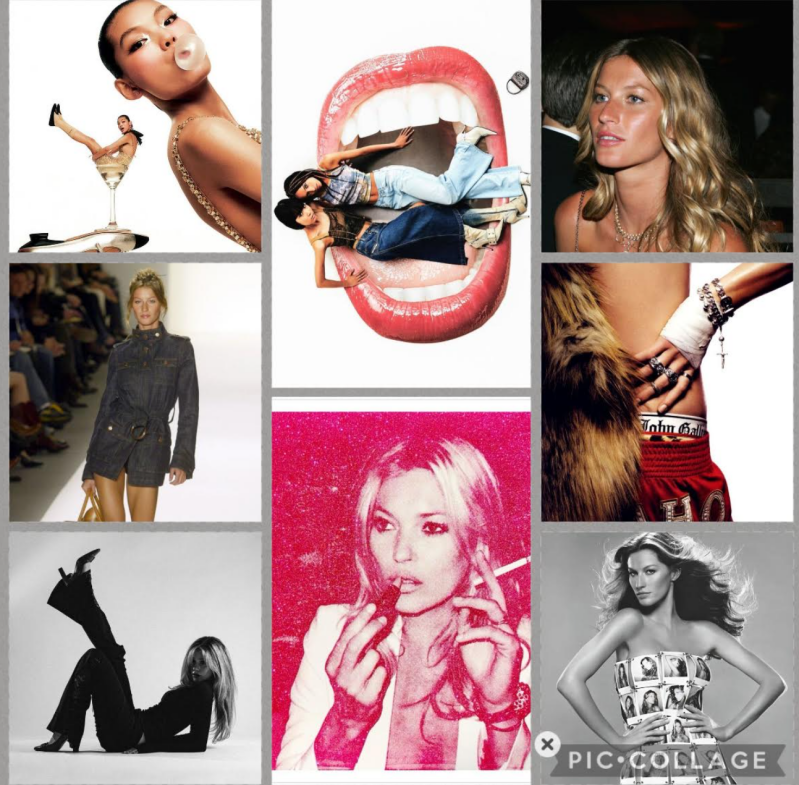
images for Ideology covers
group one images: nature





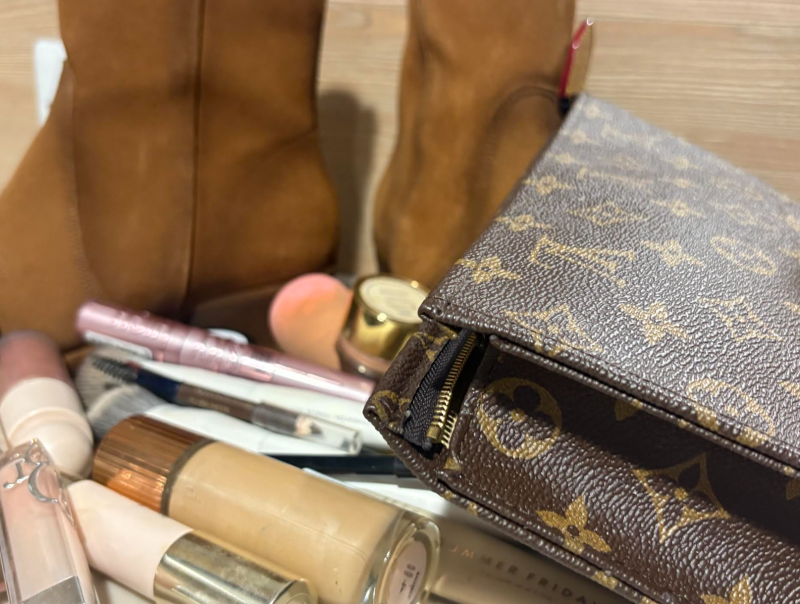
group two images: fashion- clothes, colours, jewellery, magazines
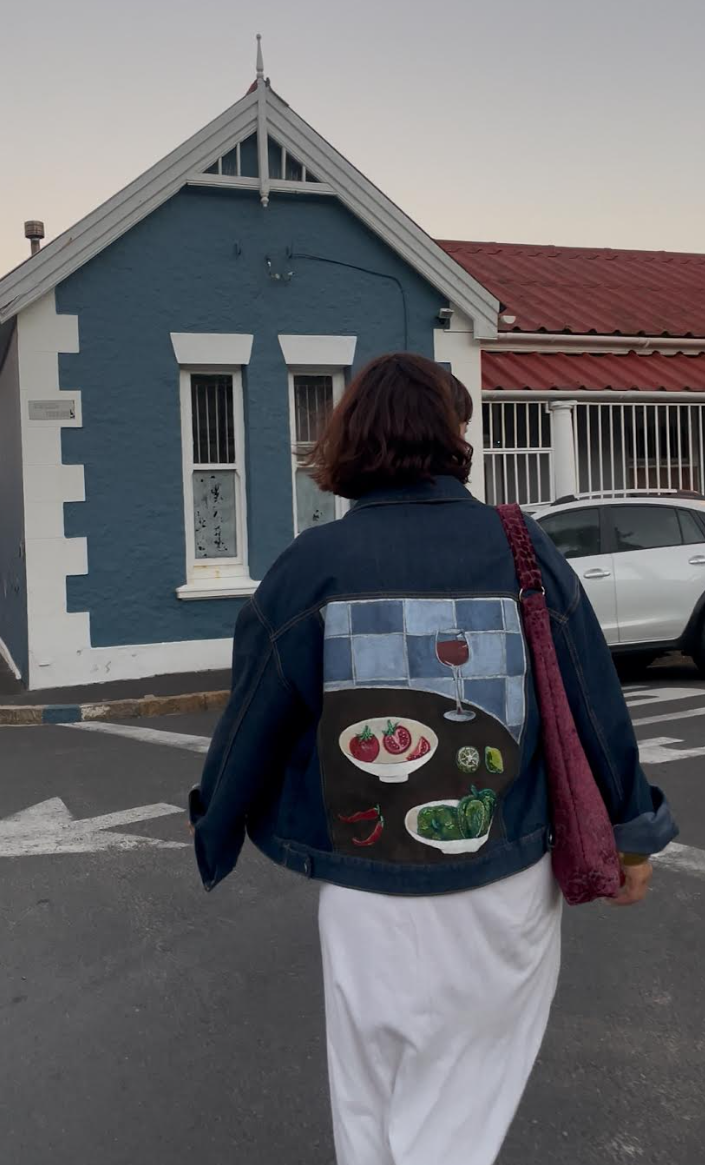
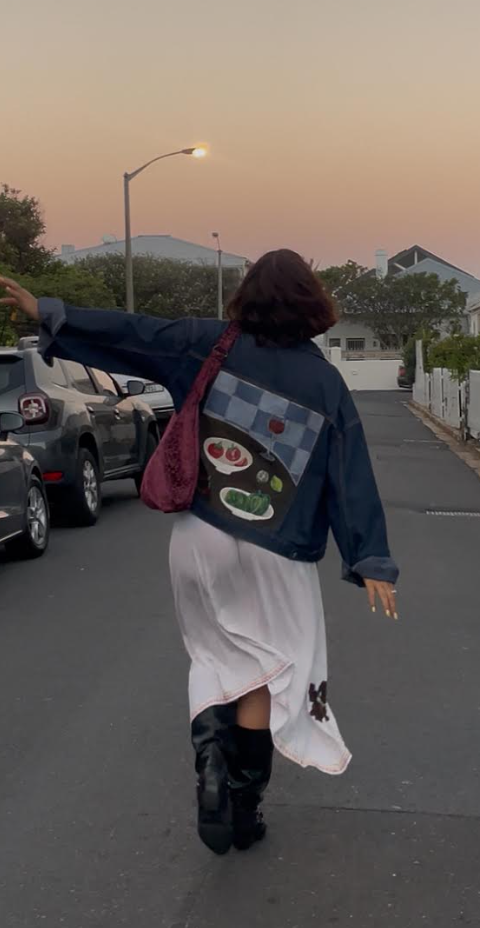
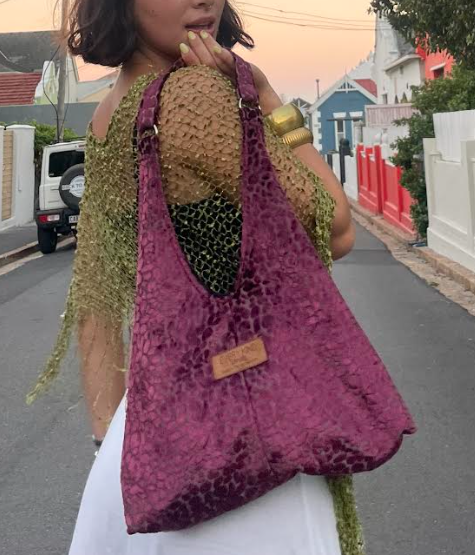

group three images : people -modelling with fashion
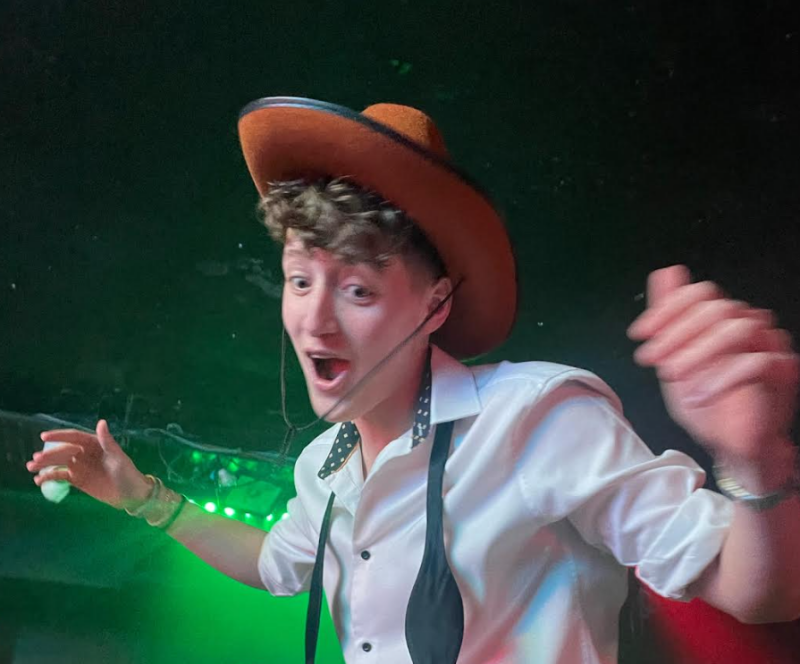
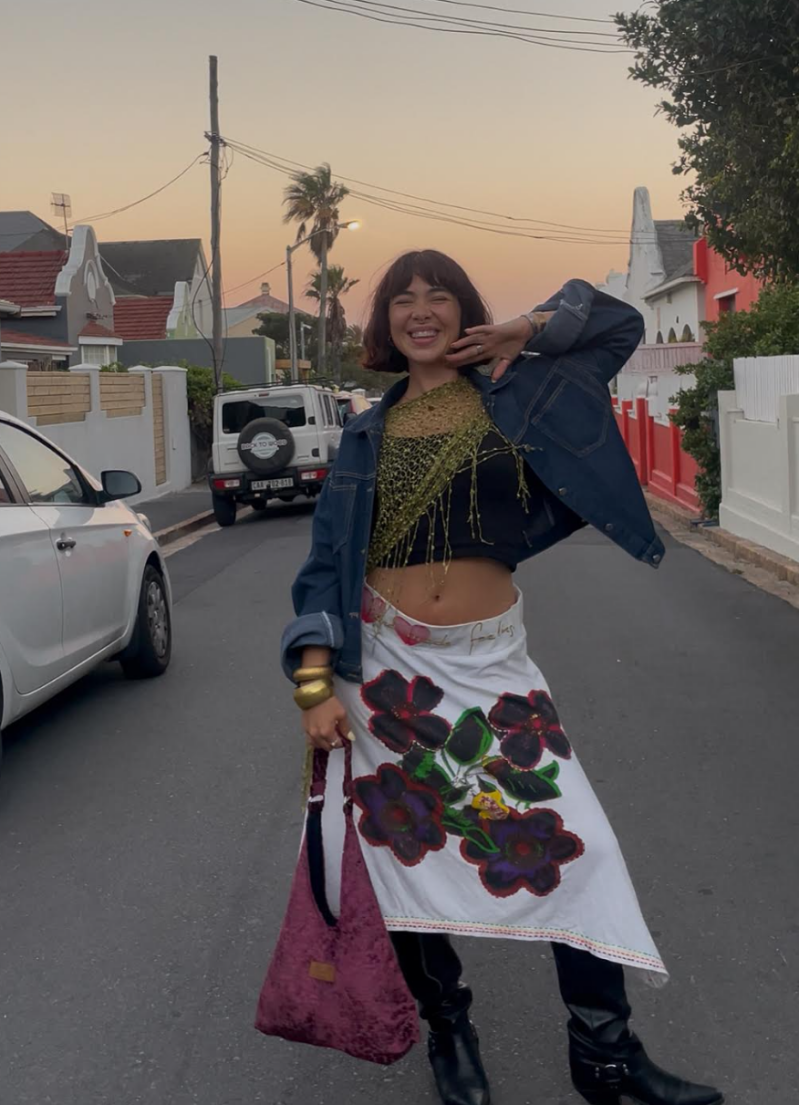


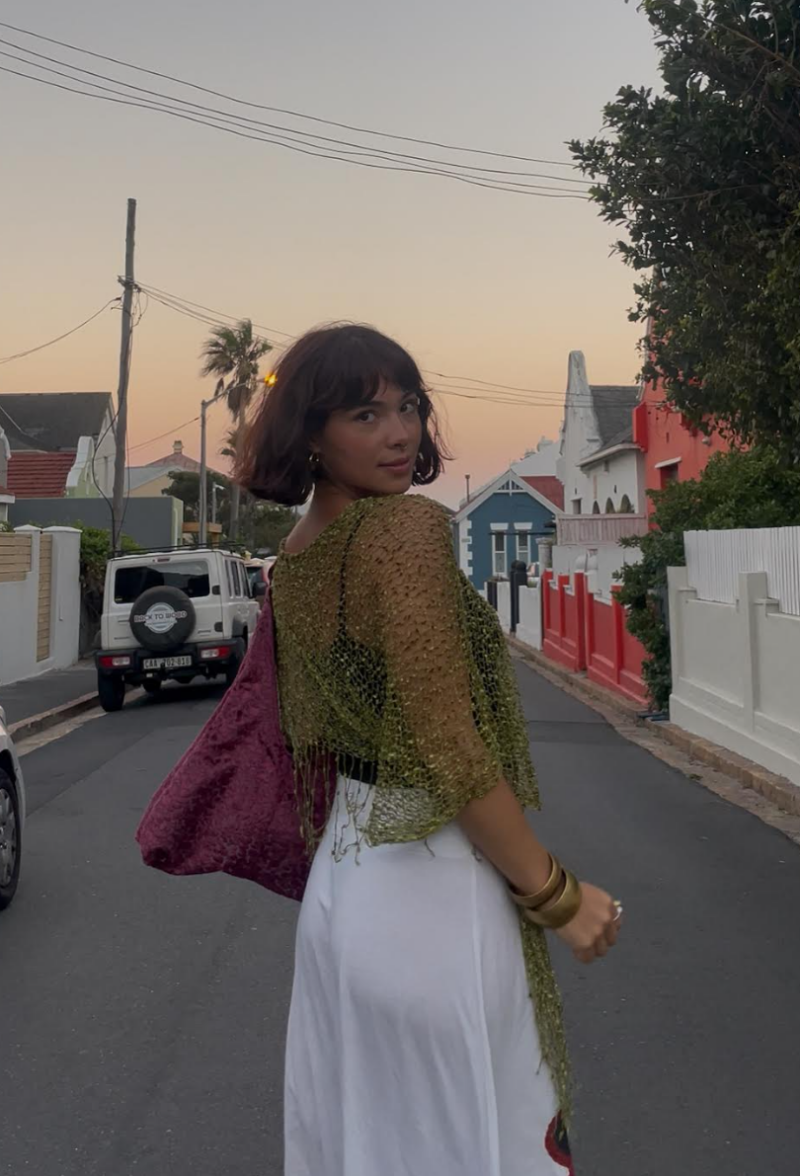
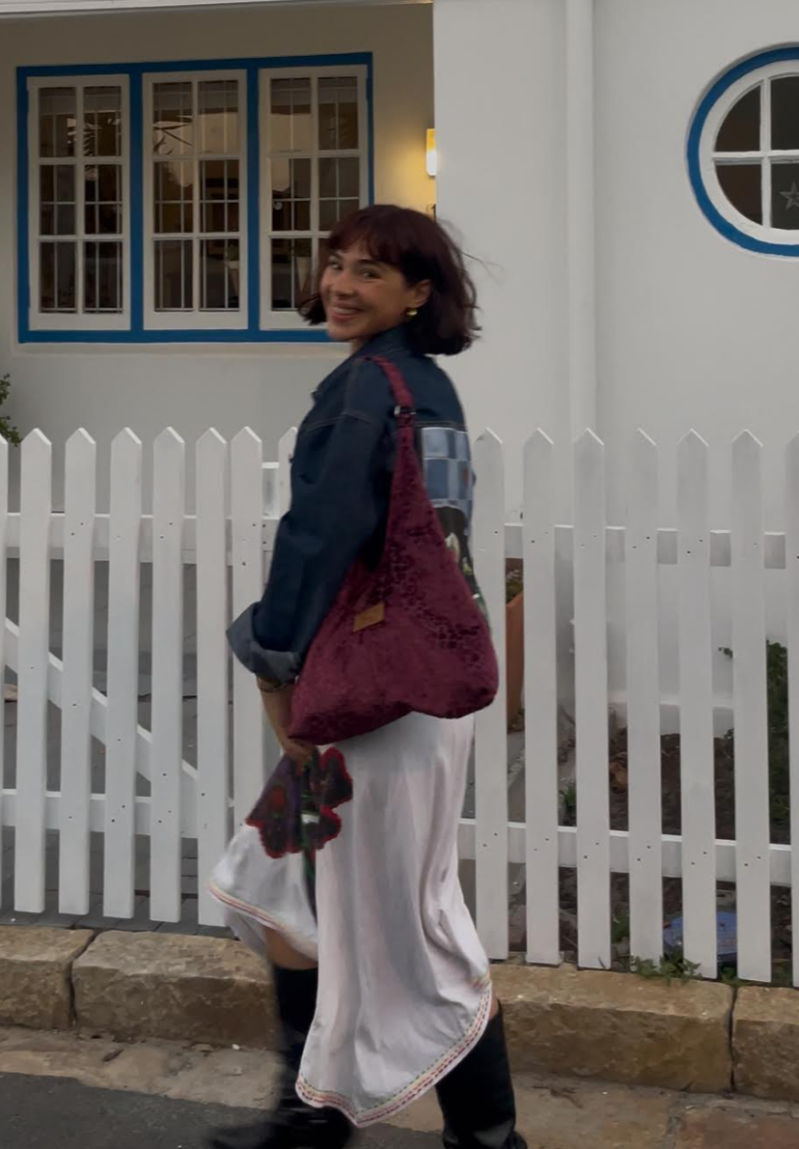
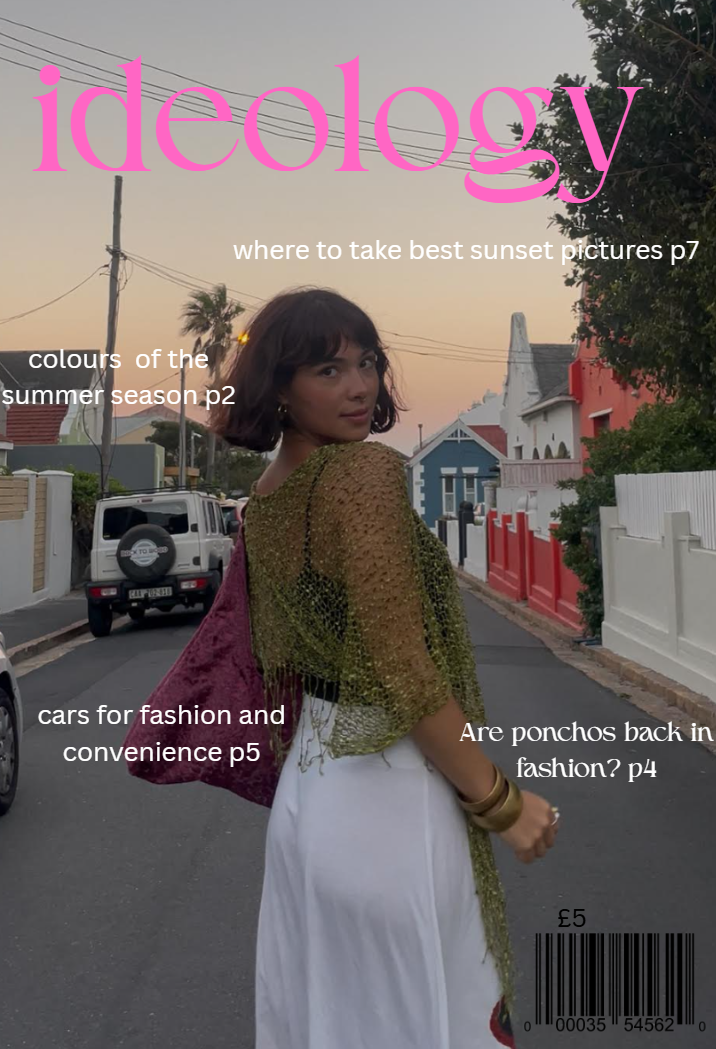
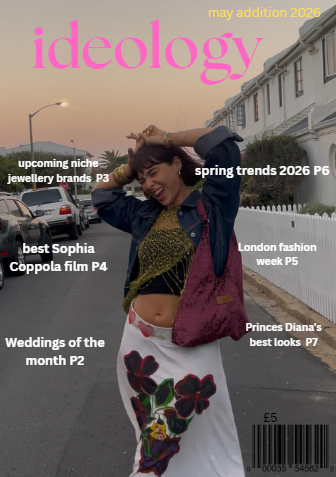
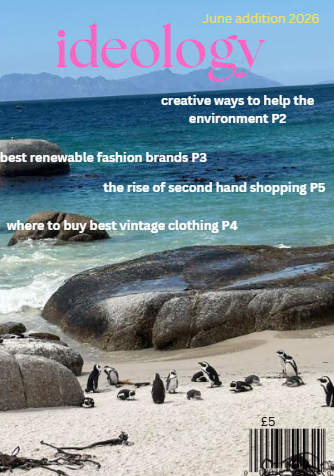
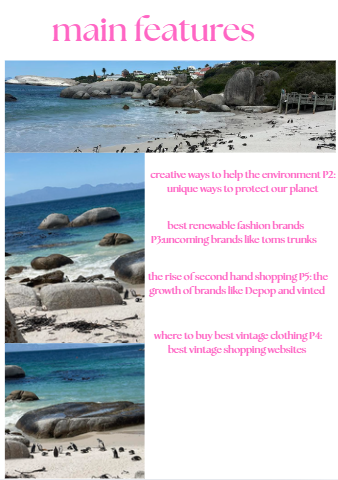
cover pictures

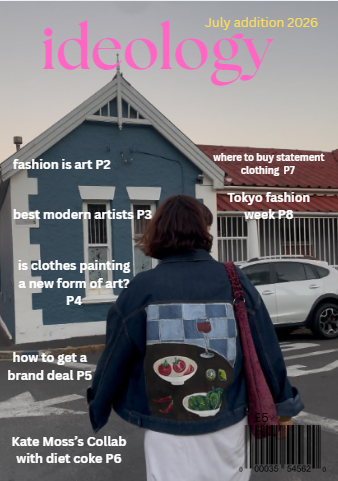
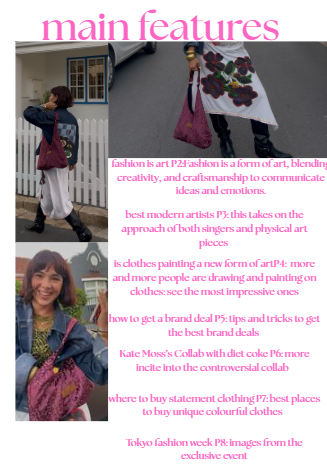
ideology website: Editor - Webador
Create Your Own Website With Webador